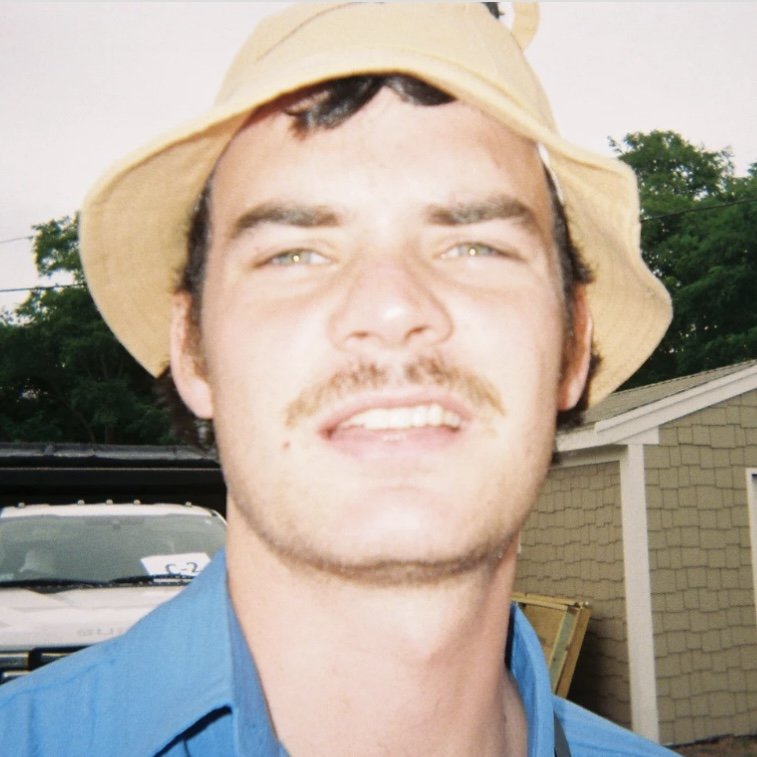
Make Something Anyway: Talking to Kenny Riches About Mouse and the State of Independent Film
Kenny Riches is the kind of filmmaker who keeps working whether or not anyone is paying attention. His latest feature, Mouse, is a tightly wound crime drama that reflects that mindset. The film follows Denny, a 40 year old petty criminal who signs up for a pen pal service in search of companionship, only to find himself pulled into a situation built on mutual deception. It is a story about isolation, performance, and the quiet risks people take when they feel unseen, themes that mirror both Riches’ approach to filmmaking and the moment independent film currently finds itself in. Riches is not a filmmaker who came up through the traditional pipeline. He did not go to film school. He studied painting and drawing, learned how to build things with his hands, and came up skateboarding, making videos with friends because it felt necessary, not strategic. That background still shapes the way he talks about filmmaking now. Less industry mythology, more practicality. Less waiting for permission, more figuring it out. Mouse was written during the pandemic, originally conceived as a project Riches could make inside the constraints of isolation. The idea evolved out of a long distance friendship with another filmmaker he had known for years without ever seeing face to face. A relationship built entirely through phone calls, texts, and trust. His girlfriend joked that the friend might not even be real. That paranoia, half serious, half absurd, became part of the film structure.
The movie itself is tense, funny, unsettling, and deeply aware of how mediated modern relationships have become. Much of its suspense happens off screen. Riches is uninterested in spectacle for spectacle’s sake. He is more focused on what happens when you let the audience sit in uncertainty. That restraint is not just aesthetic. It is practical. His films are micro-budget, often made for less than what a studio spends on catering. Limitations are not a talking point for him. They are just the conditions of the work. What stuck with me most was not a specific anecdote or technical insight, but his attitude toward making films. Riches does not romanticize the struggle, but he also does not dramatize it. The hardest part, he said, is money. Not because money equals quality, but because money allows you to pay people, to treat collaborators with respect, and to sustain a practice without burning everyone out.Everything else, writing, shooting, building sets, solving problems, he actually enjoys.
We talked about how often young filmmakers are told to limit themselves early. Write one location. Use what you have access to. Keep it small. Riches pushes back against that advice. Not recklessly, but thoughtfully. He believes you should write what excites you first, then figure out how to make it later. Energy is fragile. Once it is gone, it rarely comes back. Better to finish the thing and let it sit in a drawer than abandon it halfway because it feels impossible.
That philosophy extends to his thoughts on the industry at large. Independent film, he argues, has always been in crisis. The details change, but the underlying problem remains. Distribution is broken. Studios consolidate. Streamers promise reach and deliver obscurity. The deals do not improve, they just get rebranded. His solution is not optimism or nostalgia. It is controlled. Learn how to release your own work. Learn how to be your own distributor. Stop waiting for a system that has no incentive to change. This hit me especially hard because I had just been sitting in a Boston movie theater watching trailers for scrappy, low budget genre films before a cheap Christmas horror movie. Some of the trailers looked bad. Some looked genuinely exciting. All of them reminded me that people are still making things anyway. Despite everything.
Talking to Riches clarified something I have been circling for a while. Movie theaters are not dying because people stopped caring. They are struggling because the industry keeps asking audiences to accept less while charging more, financially and creatively. What survives will not be the biggest franchises or the most algorithm-friendly content. It will be the filmmakers stubborn enough to keep working on their own terms, and the audiences willing to meet-them halfway. Kenny is not chasing a big break or waiting for permission. His idea of success is modest and quietly radical: make a film every few years, pay collaborators fairly, and keep going. No mythology, no shortcuts, just a sustained practice built on respect for the work and the people making it. That mindset does not just produce better films. It builds something durable. In a moment when so much of the industry feels stalled, sanitized, or sealed off behind corporate walls, Mouse and conversations like this are a reminder of what independent film has always been at its core.Not comfort. Not scale. Persistence. Filmmaking was never meant to be safe. It was meant to be made.